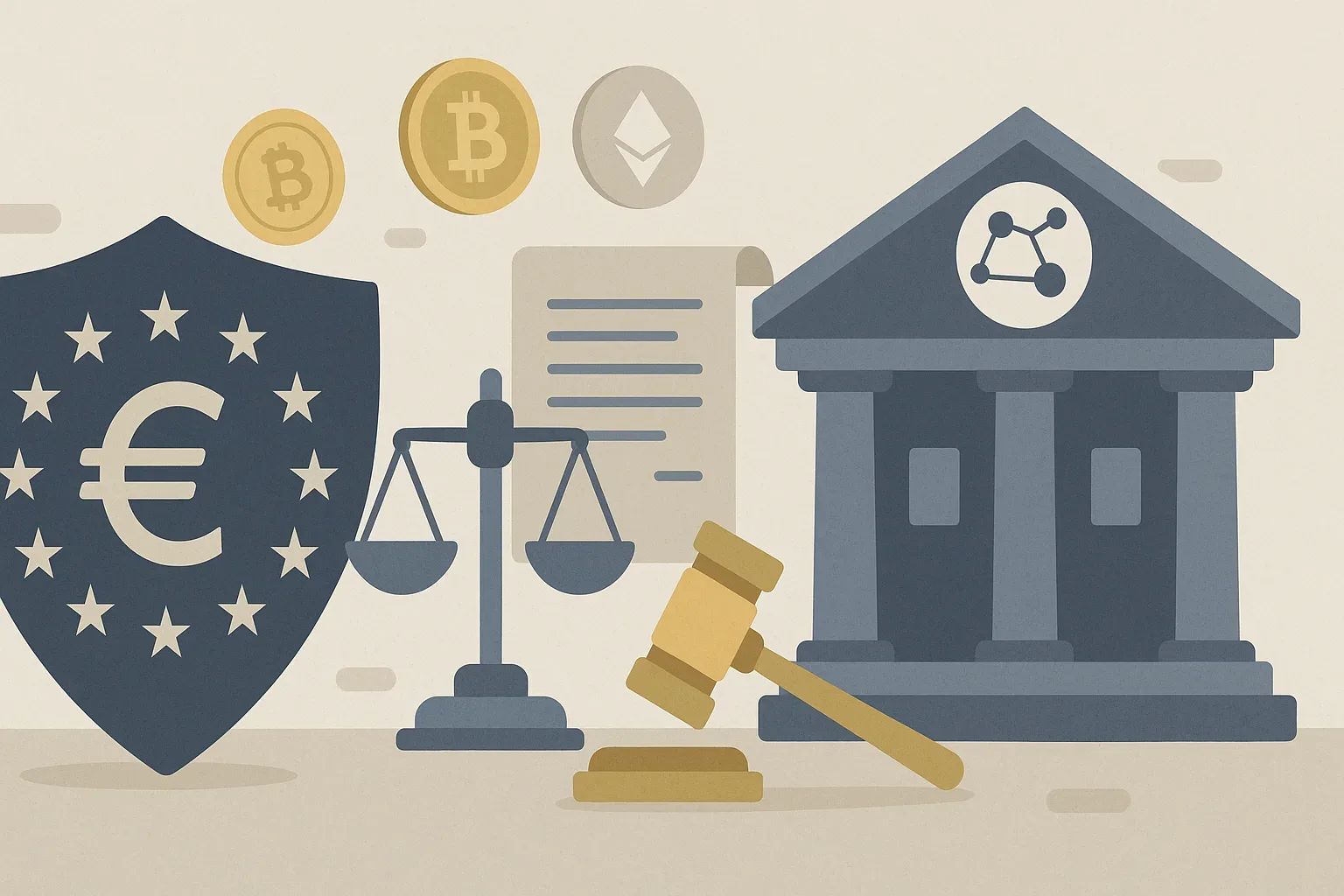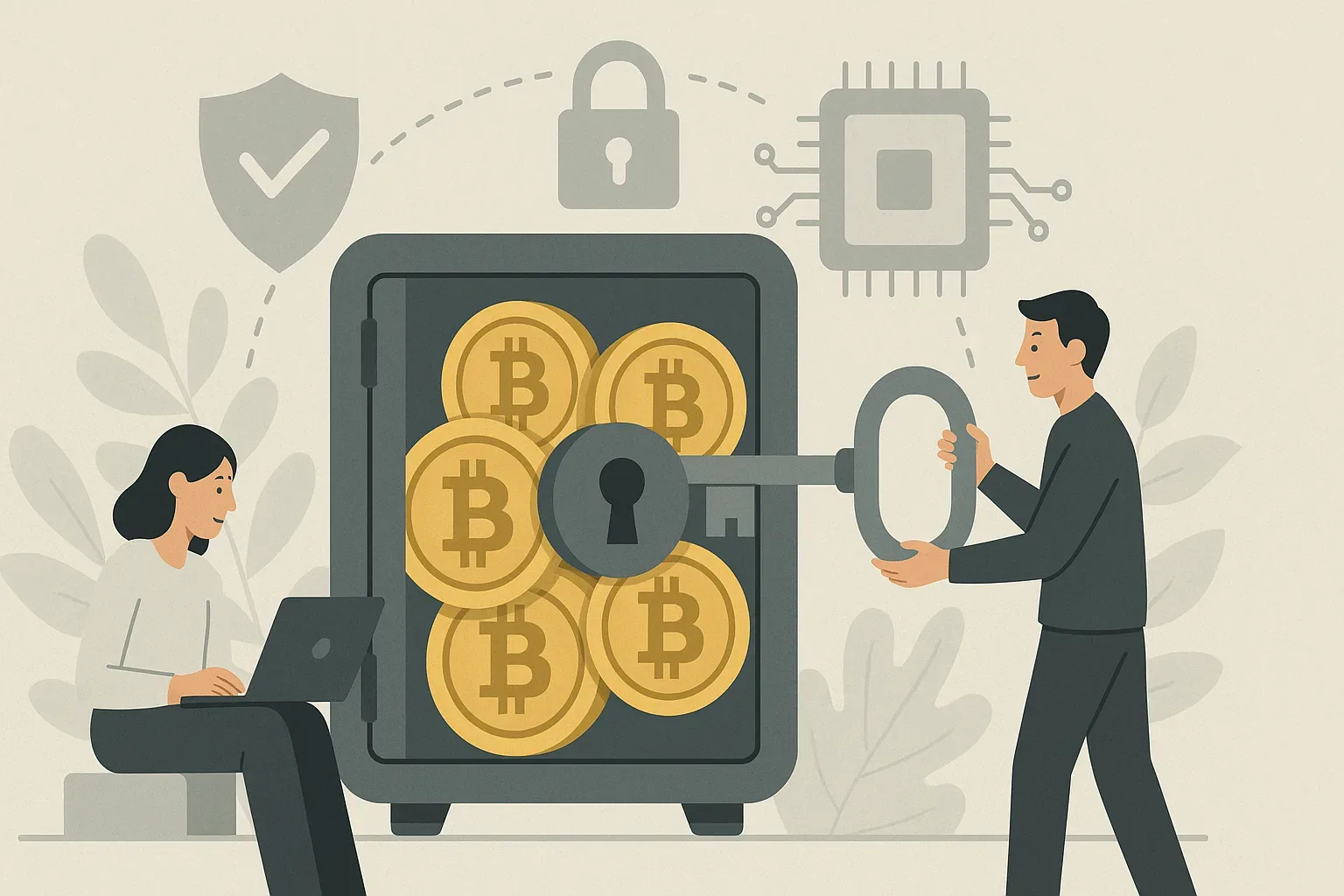

Know Your Customer, or KYC, is a critical process implemented by financial institutions globally, including centralized cryptocurrency exchanges. It represents a cornerstone of regulatory compliance, designed to combat financial crimes and ensure the integrity of the financial system. By understanding these mechanisms, users can approach crypto trading with greater confidence and clarity, appreciating the balance between compliance, security, and accessibility that KYC strives to achieve.
Understanding KYC: The Foundation of Compliant Crypto Trading
Know Your Customer (KYC) refers to the mandatory process of identifying and verifying the identity of clients when opening accounts and periodically throughout the client relationship. For centralized crypto exchanges, which operate much like traditional financial service providers, KYC serves as the primary mechanism for meeting these regulatory obligations. Without robust KYC protocols, exchanges risk becoming conduits for illegal transactions, facing severe penalties from regulators, and undermining the trust of legitimate users and institutional partners.
What exactly is KYC and why is it mandatory for most crypto exchanges?
KYC, or Know Your Customer, is a regulatory requirement that compels financial institutions to verify the identity of their clients. For most centralized crypto exchanges, KYC is mandatory due to global regulatory pressures and the increasing mainstream adoption of cryptocurrencies. As governments and international bodies like the Financial Action Task Force (FATF) extend AML/CTF regulations to virtual asset service providers (VASPs), exchanges are obliged to comply to maintain their operating licenses and access traditional banking services. More information on regulatory impacts can be found in articles discussing topics like MiCA regulation impact on crypto exchanges.
step by step: Navigating the KYC Verification Process on a Crypto Exchange
First, a user registers an account, providing basic information like email and password. The next stage involves a full identity verification. Following this, many exchanges require a selfie or a live video verification to confirm the user's likeness to the document. Upon successful verification, the account is fully activated, unlocking all trading features and withdrawal limits.
What are the precise steps users must follow to complete KYC on a crypto exchange?
Third, select your country of residence, which dictates the specific document requirements. Fourth, upload a clear, unexpired photo of a primary government-issued identification document. The document must show your full name, date of birth, and photo clearly. Fifth, perform a 'liveness check' or 'face verification,' which involves taking a real-time selfie or a short video. Sixth, provide proof of address, if required, by uploading a recent utility bill, bank statement, or government-issued residency certificate that shows your name and residential address. Ensure the document is no older than three to six months. Seventh, submit all the collected information for review. Upon successful verification, you will receive a confirmation, and your account will be fully enabled for all features, including higher deposit and withdrawal limits.
The Regulatory Imperative: Why Crypto Exchanges Demand KYC
The demand for KYC by crypto exchanges is not an arbitrary decision but a direct response to a growing global regulatory imperative. These regulations mandate that virtual asset service providers (VASPs), including centralized exchanges (refer to our guide on centralized exchanges for more context), implement robust procedures to identify and verify their customers. By complying with KYC, exchanges can legally operate in various jurisdictions, maintain banking relationships, and protect their reputation. Non-compliance can lead to severe penalties, including hefty fines, revocation of licenses, and even criminal charges against executives.
What Information Do Exchanges Collect During KYC? (And Why)
During the KYC process, crypto exchanges collect a specific set of personal information, all for legitimate and legally mandated reasons. These details are fundamental for establishing your unique identity. Your name and date of birth are cross-referenced against watchlists for politically exposed persons (PEPs) or sanctioned individuals. Your address helps determine the applicable regulatory jurisdiction and prevents individuals from restricted regions from accessing services.
What specific documents and personal information are required for KYC verification?
To verify these details, you will almost certainly need to provide: first, a primary government-issued identification document. This commonly includes a valid passport, a national identity card, or a driver's license. The document must be unexpired, clearly show your photo, full name, date of birth, and document number. Second, many exchanges require a 'proof of address' document. Third, a 'selfie' or 'liveness check' is often mandatory. This involves taking a photo of yourself holding your ID document, or a short video performing specific actions, to prove that you are the legitimate owner of the ID and that the submission is live, not a static image. Some exchanges may also ask for your occupation, source of funds, or a tax identification number, depending on the jurisdiction and the level of verification.
Securing Your Identity: How Crypto Exchanges Protect KYC Data
Firstly, data encryption is standard practice. All personal information, from identification documents to addresses, is typically encrypted both in transit (using TLS/SSL protocols) and at rest (on servers) to prevent unauthorized access. Secondly, exchanges implement robust access controls, meaning only authorized personnel with specific roles and clearances can access KYC data, and often only under strict supervision or for specific purposes. This minimizes the risk of internal misuse. Thirdly, data storage often adheres to stringent industry standards and regulatory requirements, such as GDPR in Europe or similar data protection laws globally. Servers are typically housed in secure data centers with physical and environmental controls. Fourthly, exchanges invest in advanced cybersecurity measures, including firewalls, intrusion detection systems, regular security audits, and penetration testing, to fend off external threats. Finally, many exchanges anonymize or pseudonymize data where possible, and enforce strict data retention policies, deleting information once it is no longer legally required to be stored. While no system is entirely impervious, these combined efforts demonstrate a significant commitment to safeguarding user identities and maintaining trust.
How do crypto exchanges ensure the security and privacy of sensitive user data collected during KYC?
Crypto exchanges prioritize the security and privacy of sensitive user data collected during KYC through a combination of technological, procedural, and compliance measures. Data is typically stored in secure, segregated databases, often cloud-based, that adhere to international security standards like ISO 27001. Access to this data is strictly controlled, limited to a minimal number of authorized personnel who operate under a principle of least privilege, with multi-factor authentication (MFA) and audit trails for every access attempt. Exchanges also employ robust cybersecurity infrastructure, including advanced firewalls, intrusion detection systems, and vulnerability scanning, to prevent breaches. From a procedural standpoint, they implement strict data privacy policies, often compliant with regulations like GDPR, CCPA, and local data protection laws. This includes explicit consent requirements for data collection, transparency about data usage, and the right for users to request data access or deletion where applicable. Regular security audits by independent third parties are conducted to identify and remediate vulnerabilities. While incidents can never be fully eliminated, exchanges continually invest in these safeguards to mitigate risks and maintain user trust regarding their sensitive information.
KYC Tiers: Unlocking Higher Limits and Features
Many centralized crypto exchanges implement a tiered KYC system, offering varying levels of account functionality based on the depth of the user's verification. This tiered approach is designed to balance user convenience with regulatory compliance and risk management. Typically, the lowest tier, often referred to as "Level 0" or "Unverified," might only require an email address and allows basic actions like browsing the platform or receiving cryptocurrencies. However, it usually comes with severe restrictions on trading volume, withdrawals, and often, even deposits. Moving to "Level 1" KYC, which commonly requires basic personal information (name, date of birth) and a government-issued ID, unlocks significantly higher deposit and withdrawal limits, alongside access to spot trading. This is often sufficient for most casual traders. "Level 2" or "Advanced KYC" typically demands proof of address, sometimes a source of funds declaration, and more thorough background checks. This tier provides the highest limits, full access to advanced trading features such as margin trading, futures, and staking (like how crypto staking on exchanges work), and often allows fiat currency deposits and withdrawals. The purpose of these tiers is twofold: it allows users to start trading quickly with minimal hurdles, and it enables exchanges to progressively assess and manage risk associated with larger transaction volumes, ensuring that higher-risk activities are matched with more robust verification. Users can choose their verification level based on their trading needs, knowing that more comprehensive verification grants greater financial freedom and feature access on the platform.
KYC vs. No-KYC: Centralized vs. Decentralized Exchanges
The distinction between KYC and no-KYC primarily draws a clear line between centralized exchanges (CEXs) and decentralized exchanges (DEXs). Centralized exchanges, by their nature, act as intermediaries, holding user funds and matching orders. Because they operate under specific legal jurisdictions and often interact with traditional banking systems, they are legally obligated to implement robust KYC and AML procedures. The implications of KYC on CEXs include enhanced security against illicit activities, easier recovery of accounts if credentials are lost, and often, higher liquidity and more advanced trading tools. In contrast, decentralized exchanges (refer to our guide on decentralized exchanges for a deeper understanding) are built on blockchain technology and operate without a central authority. They typically do not require users to provide any personal information or undergo KYC verification. Transactions are peer-to-peer, executed directly on the blockchain via smart contracts, and users retain full custody of their funds in their own wallets. The appeal of no-KYC DEXs lies in their privacy, censorship resistance, and accessibility from anywhere in the world without identity checks. However, this also means users bear full responsibility for their keys and transactions, with no recourse if funds are lost or scammed. The choice between KYC-compliant CEXs and no-KYC DEXs hinges on a user's priorities regarding privacy, security, control, and regulatory compliance.
Do all crypto exchanges require KYC, and what are the implications of exchanges that don't?
No, not all crypto exchanges require KYC, creating a significant distinction within the cryptocurrency landscape. Centralized exchanges (CEXs), which serve as intermediaries and hold customer funds, are almost universally required to implement KYC due to global anti-money laundering (AML) and counter-terrorist financing (CTF) regulations. They must comply to operate legally, maintain banking relationships, and avoid severe penalties. The implications for users are generally increased security against fraud and easier account recovery, but at the cost of privacy and direct interaction with regulators. Users interact directly with the blockchain from their personal wallets, retaining full control over their funds. The implications of using no-KYC exchanges include enhanced privacy and anonymity, as users don't disclose personal information. They also offer greater accessibility, as geographical restrictions are often minimal. However, these benefits come with significant trade-offs: there is no customer support for lost funds or mistaken transactions, no recourse in case of scams, and users are solely responsible for the security of their private keys. The absence of KYC on these platforms makes them more susceptible to illicit activities, which can attract closer scrutiny from authorities and potentially lead to blacklisting or access restrictions from regulated financial services.
Common KYC Verification Issues and Troubleshooting Tips
One of the most common issues is blurry or unclear document uploads. If the text or photo on your ID is not perfectly legible, the automated or manual verification system will reject it. To troubleshoot, ensure you take photos in good lighting, on a flat surface, with no glare, and that the entire document is within the frame. Another frequent problem is mismatched information; the name on your ID might not exactly match the name you entered during registration, or your address on the proof of residence might differ slightly from what was provided. Double-check all entered details against your official documents before submission. Outdated or expired documents are also a common pitfall; always use a valid, unexpired government ID. For 'liveness checks,' failure to follow instructions precisely (e.g., not looking directly at the camera, not blinking when asked) can lead to rejection. Technical glitches, such as slow internet connections or browser incompatibilities, can disrupt the submission process; try a different browser or ensure your connection is stable. If you experience repeated rejections, check the exchange's FAQ section for specific guidelines or contact their customer support with screenshots of the error. Patience is key, as manual reviews can take time, especially during periods of high demand.
What are the most common reasons for KYC verification delays or failures, and how can they be resolved?
The most common reasons for KYC verification delays or failures on crypto exchanges revolve around document quality, data accuracy, and technical issues. To resolve this, ensure high-resolution, clear, full-frame photos of your unexpired government ID and proof of address are taken in good, even lighting, without reflections. Secondly, inconsistencies in personal data are a frequent cause of failure. This includes discrepancies between the name entered during registration and the name on your ID, different addresses on proof of residence compared to what was manually entered, or using nicknames instead of legal names. Always double-check that every piece of information submitted precisely matches your official documents. Thirdly, using expired identification documents or providing proof of address that is too old (typically beyond 3-6 months) will result in failure. Ensure all documents are current. Fourthly, 'liveness check' failures can occur if you don't follow the on-screen instructions precisely, such as not moving your head correctly, not blinking, or if the lighting is too dark for facial recognition. Practice the steps if necessary. Finally, technical issues like slow internet, unsupported browser versions, or server overload on the exchange's side can cause delays. If facing persistent issues, try clearing your browser cache, using a different browser, or attempting verification during off-peak hours. If problems persist, collecting screenshots of error messages and contacting the exchange's customer support directly is the most effective resolution path.
The Future of KYC in the Evolving Crypto Landscape
The future of KYC in the rapidly evolving crypto landscape is set to undergo significant transformations, driven by technological advancements, regulatory harmonization, and the increasing demand for seamless user experiences. One major trend is the adoption of advanced biometric verification methods, moving beyond simple photo uploads to more sophisticated facial recognition, fingerprint scanning, and even voice biometrics, which offer enhanced security and reduce fraud. Another promising area is self-sovereign identity (SSI), where individuals control their own digital identities, issuing verifiable credentials that can be presented to multiple exchanges without having to re-upload sensitive documents each time. Regulatory bodies are also working towards greater global harmonization, aiming to create consistent KYC/AML standards across jurisdictions, which would simplify compliance for international exchanges and reduce the fragmentation seen today. Technologies like zero-knowledge proofs (ZKPs) are being explored to allow users to prove they meet certain criteria (e.g., being over 18) without revealing the underlying sensitive data, thus enhancing privacy. The growth of crypto definitions and the understanding of digital assets are continuously shaping these evolving compliance frameworks.