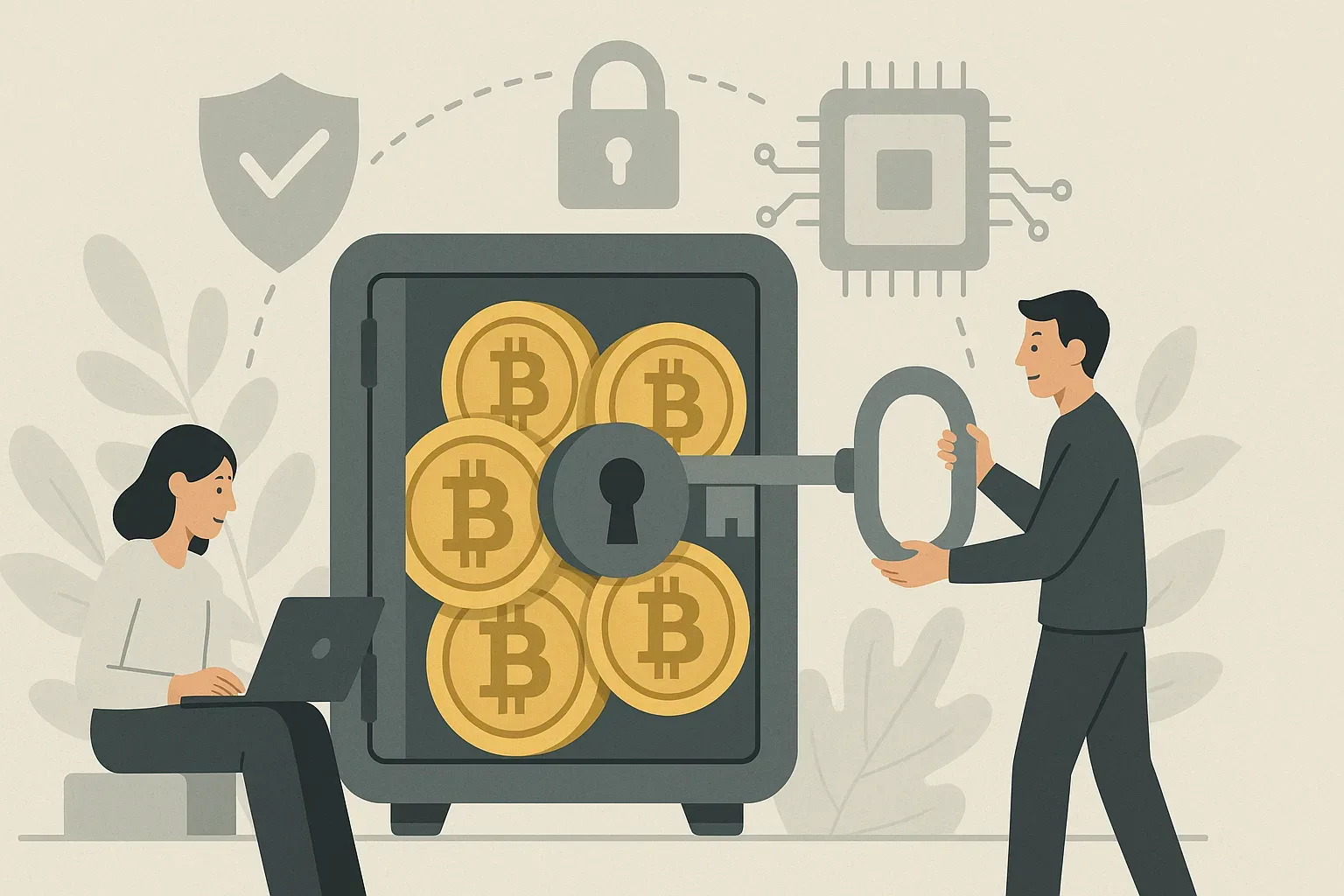
While the technicalities of running a validator node might seem daunting, centralized exchanges have emerged as popular intermediaries, simplifying the process for the average user.
Introduction: What is Crypto Staking (and Why Stake on an Exchange)?
Crypto staking is a process that involves locking up cryptocurrency holdings to support the operations of a blockchain network. In return for committing their assets, participants, known as stakers, receive rewards, typically in the form of additional cryptocurrency. Instead of relying on energy-intensive mining, as seen in Proof-of-Work systems like Bitcoin, PoS networks select validators based on the amount of cryptocurrency they have 'staked' and are willing to 'lock up' as collateral. The more a validator stakes, the higher their chances of being chosen to create new blocks and earn transaction fees and newly minted coins.
Why would one choose to stake on an exchange rather than directly? This includes setting up and maintaining servers, ensuring high uptime, and handling software updates and security protocols.
The Basics: How Proof-of-Stake Networks Underpin Exchange Staking
Unlike Proof-of-Work (PoW) blockchains, which rely on miners solving complex computational puzzles, PoS networks select validators based on the amount of cryptocurrency they've pledged as a stake.
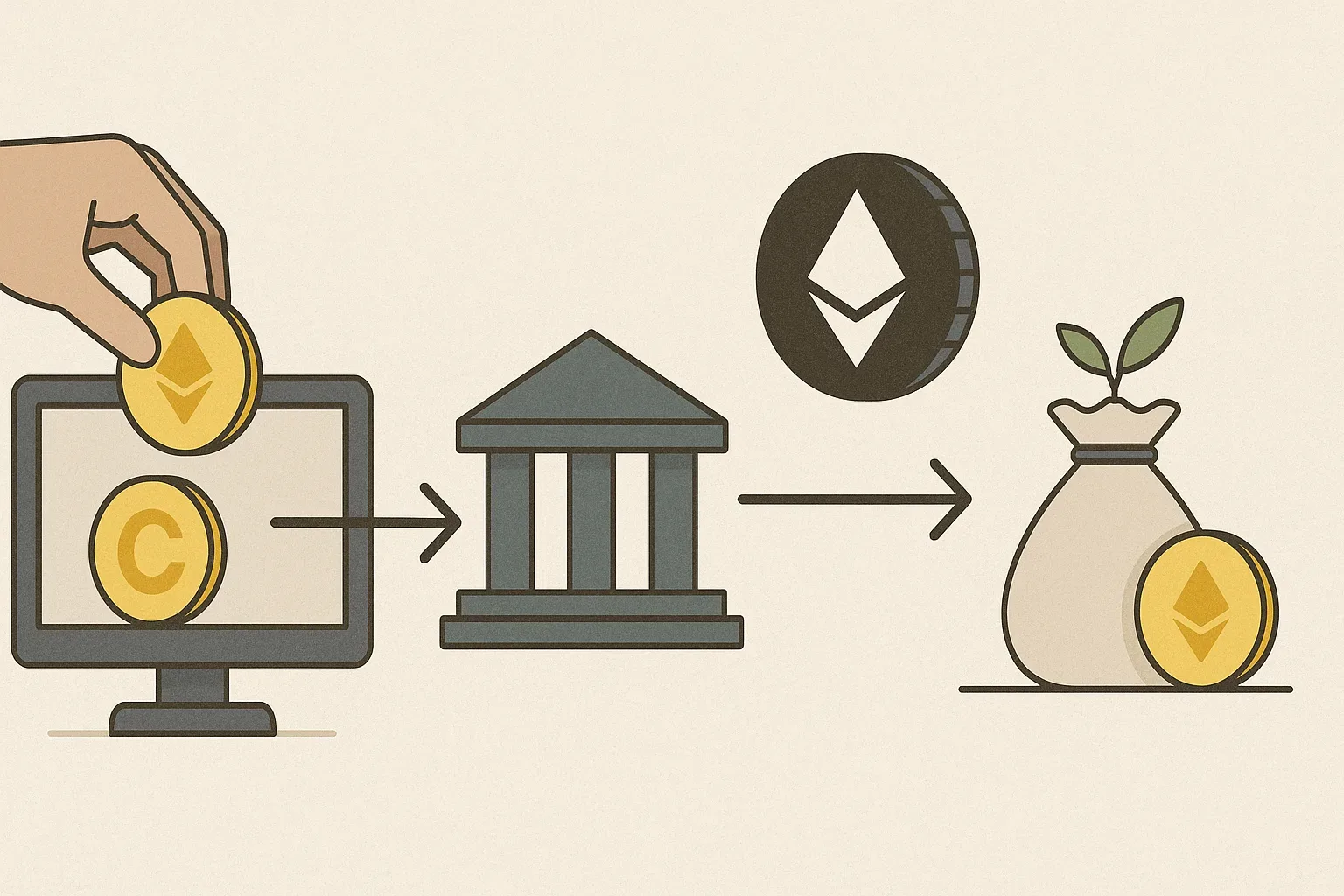
Exchanges act as aggregators. When an exchange's validator node is chosen to validate a block, it receives staking rewards from the network. The exchange then distributes a portion of these rewards proportionally to its users, after deducting its own service fees.
step by step: Staking Your Crypto on an Exchange
First, you need to have an account with a reputable centralized exchange that offers staking services.
After your chosen cryptocurrency is in your exchange wallet, navigate to the staking or 'earn' section of the platform. Select the cryptocurrency you wish to stake. You will then be prompted to specify the amount you want to stake and to confirm your decision. Once confirmed, your assets are then moved from your spot wallet into the exchange's staking pool.
Behind the Scenes: What Exchanges Do With Your Staked Crypto
The exchange actively manages and deploys them to participate in the underlying Proof-of-Stake network's validation process. Primarily, exchanges pool the staked assets from all their users, creating a significant collective stake. This pooled capital allows the exchange to run one or more validator nodes on the respective blockchain network. Operating a validator node requires specific technical infrastructure, constant uptime, and specialized software to process and validate transactions, propose new blocks, and secure the network.
Beyond simply running nodes, exchanges also undertake several critical responsibilities. They continuously monitor the network to ensure their validators are performing optimally and not subject to 'slashing' penalties, which can occur if a validator goes offline or acts maliciously. This includes managing software upgrades, patching security vulnerabilities, and ensuring compliance with the network's consensus rules.
Understanding Your Rewards: APY, Distribution, and Fees
This figure represents the estimated percentage return you can expect to earn on your staked assets over a year, taking into account compounding where applicable.
For example, if the network offers a 10% gross reward and the exchange charges a 20% fee on rewards, your net APY would effectively be 8%.
Pros and Cons: The Advantages and Disadvantages of Exchange Staking
Staking crypto on centralized exchanges offers a distinct set of advantages, particularly for those new to the cryptocurrency space or lacking technical expertise. The primary benefit is simplicity and accessibility. Exchanges remove the technical barriers associated with running a validator node, such as server setup, maintenance, and constant monitoring. This allows users to participate in staking with just a few clicks. Another significant advantage is lower capital requirements. Many Proof-of-Stake networks demand a substantial minimum amount of crypto to run a full validator node, which can be prohibitively expensive for individual investors. Exchanges pool assets, enabling users to stake even small amounts and still earn rewards. This can provide greater flexibility compared to traditional staking.
However, exchange staking also comes with notable disadvantages. The most significant is custodial risk. By staking on an exchange, you are entrusting a third party with your private keys, meaning you don't have full control over your assets. This introduces the risk of hacks, insolvency, or regulatory issues affecting the exchange. Understanding the risks associated with centralized platforms, discussed in articles like https://cryptomarketplatform.com/articles/centralized-exchanges, is vital. Another drawback is lower returns compared to self-staking, due to the service fees charged by exchanges. These fees eat into your gross staking rewards. There's also a lack of direct participation in network governance. When you stake through an exchange, the exchange typically controls the voting power associated with your staked assets, rather than passing it on to individual users. Finally, lock-up and unstaking periods can lead to illiquidity, as your assets may be inaccessible for a specified duration, potentially causing you to miss opportunities or be unable to react quickly to market movements.
Key Considerations Before You Stake on an Exchange
Before committing your assets to an exchange's staking program, several key considerations warrant thorough evaluation to ensure you make an informed decision and mitigate potential risks. Foremost among these is exchange reputation and security. Research the exchange's track record regarding security breaches, regulatory compliance (e.g., in light of developments like https://cryptomarketplatform.com/articles/mica-regulation-impact-on-crypto-exchanges), and customer service. Secondly, carefully examine the Annual Percentage Yield (APY) offered. While a high APY is attractive, understand that it's often an estimate and can fluctuate. Compare APYs across different exchanges for the same asset and consider the fees deducted by the exchange, as these directly impact your net returns.
Many staking programs require your assets to be locked for a certain duration, during which they cannot be traded or withdrawn. Additionally, unstaking often involves a cool-down period before your funds are fully accessible. Assess whether these periods align with your financial goals and liquidity needs. Consider the custodial risk involved; by staking on an exchange, you temporarily surrender direct control of your private keys. This means you are exposed to potential risks such as exchange hacks, insolvency, or regulatory intervention. Finally, be aware of tax implications. Staking rewards are typically considered taxable income in many jurisdictions, and you will need to report them accurately. Consult with a tax professional to understand your obligations. By carefully weighing these factors, you can better assess the suitability of exchange staking for your investment strategy and risk tolerance.
Comparing Exchange Staking to Self-Staking (Validator Nodes)
For those considering staking, it's essential to understand the fundamental differences between utilizing an exchange for staking and operating your own validator node, often referred to as self-staking. The most significant differentiator lies in control and responsibility. With self-staking, you maintain full control over your private keys and your assets. This aligns with the core decentralized ethos of cryptocurrency, where you are your own bank. However, this full control comes with the heavy responsibility of managing all technical aspects: setting up and maintaining a dedicated server, ensuring 24/7 uptime, performing software updates, monitoring network health, and protecting against security threats. Any misstep, such as extended downtime or malicious behavior, can result in your staked assets being 'slashed', a direct financial penalty.
In contrast, exchange staking offers convenience and reduced responsibility. This "set it and forget it" approach is ideal for general users who lack the technical expertise, time, or capital to run a validator. However, this convenience comes at the cost of custodial risk; you entrust your assets to the exchange, making them susceptible to the exchange's security vulnerabilities or operational failures. Exchanges, through pooling, allow users to stake much smaller amounts. Finally, profitability and governance vary. While self-stakers earn 100% of the network rewards (minus minor operational costs), exchange stakers receive a net reward after the exchange deducts its service fees, leading to potentially lower APYs. Self-stakers also typically have direct voting power in network governance, whereas exchange stakers usually defer this power to the exchange. Decentralized exchanges, discussed at https://cryptomarketplatform.com/articles/decentralized-exchanges, offer another spectrum of control and participation, but their staking mechanisms are often integrated into specific DeFi protocols rather than general PoS validation.
Conclusion: Is Exchange Staking Right for You?
Crypto staking on exchanges presents a compelling pathway for general readers to engage with the growing Proof-of-Stake ecosystem and potentially earn passive income. It elegantly solves the technical complexities and high capital requirements typically associated with running a validator node, making it accessible to a broad audience. The user journey is streamlined: deposit, click, and earn, with the exchange handling the arduous backend work of managing infrastructure, ensuring uptime, and navigating network protocols. This convenience is a significant draw, especially for those who prioritize ease of use over technical immersion.
However, this simplicity comes with inherent trade-offs that must be carefully considered. Before diving in, it is imperative to conduct thorough due diligence on the chosen exchange, understand the specific terms of its staking programs, and assess your personal risk tolerance and liquidity needs. For many, particularly those seeking a low-barrier entry into staking without the commitment of technical management, exchange staking can be an effective and rewarding option. For others who prioritize decentralization, full control, and maximum returns, the path of self-staking, despite its complexities, may be more aligned with their philosophy. Ultimately, the decision hinges on a careful balance between convenience, control, and potential rewards, tailored to individual circumstances and objectives in the dynamic world of cryptocurrency.