
Understanding the Crypto Exchange Listing Landscape
Securing a listing on a reputable cryptocurrency exchange is a pivotal milestone for any new token project. The crypto exchange landscape is vast and varied, ranging from centralized exchanges (CEXs) like Binance, Coinbase, and Kraken, which act as intermediaries holding user funds and facilitating trades, to decentralized exchanges (DEXs) such such as Uniswap and PancakeSwap, which operate on smart contracts, allowing direct peer-to-peer trading without custody of funds. Each type presents different opportunities and challenges for new tokens.
This means the listing process is far from trivial; it is a multi-stage gauntlet that demands significant preparation, transparency, and technical prowess from a project team. For general readers, understanding this process illuminates the complexities involved in bringing a new digital asset to market and the critical role exchanges play in validating projects within the ecosystem.
Phase 1: Essential Pre-Listing Project Preparation
Before even contemplating an exchange listing, a new token project must solidify its foundations. This initial phase is about building a robust, credible, and compliant project that can withstand the scrutiny of top-tier exchanges. The tokenomics model must be sound, detailing the token's utility, supply, distribution, vesting schedules, and deflationary or inflationary mechanisms. Exchanges will critically assess if the token has genuine utility and a viable economic model to sustain its value and ecosystem.
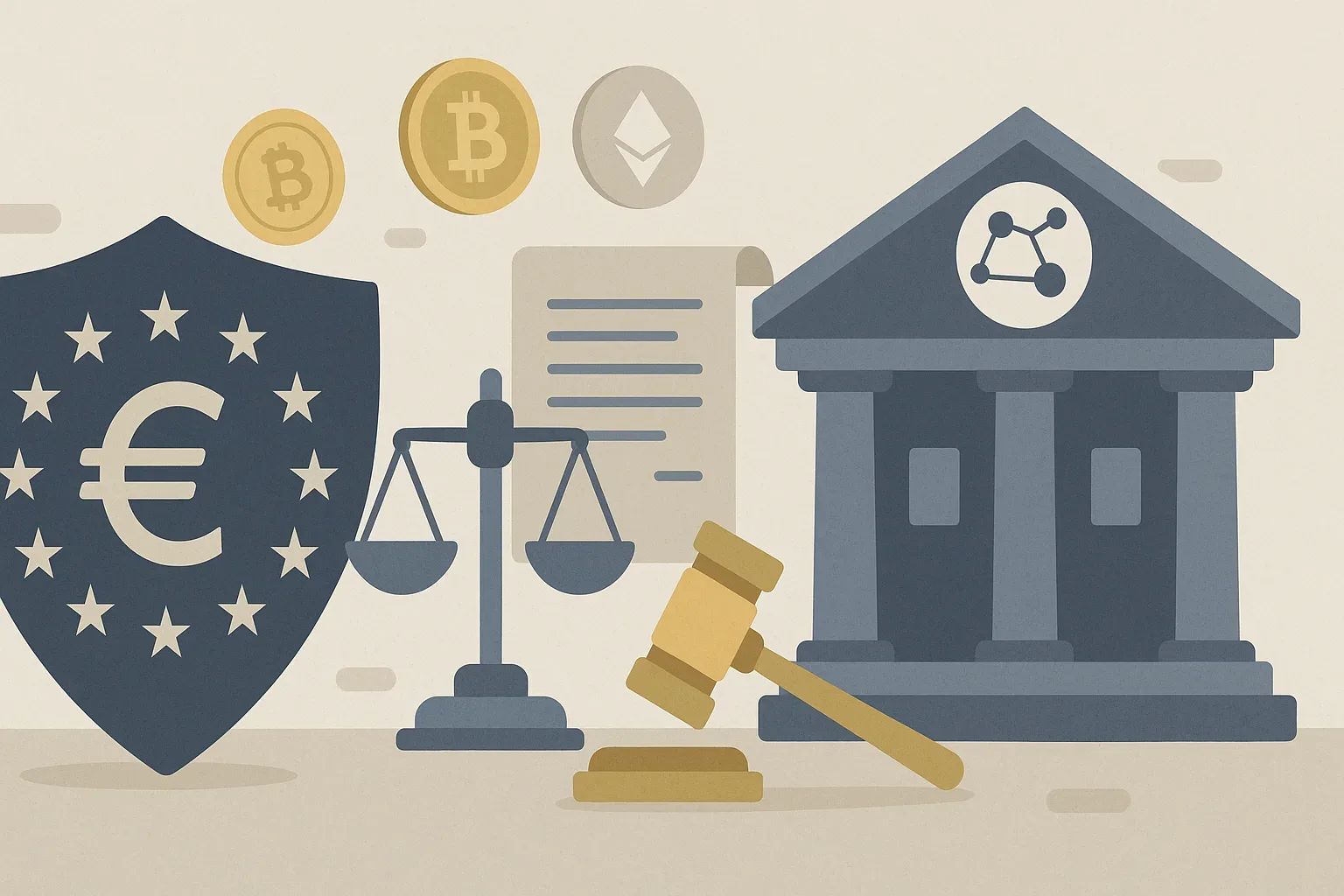
Projects must obtain a legal opinion from a reputable law firm, typically confirming that the token is not considered a security in relevant jurisdictions or outlining its regulatory classification. A strong, transparent, and experienced team is another cornerstone. Exchanges look for teams with relevant expertise, a track record of delivery, and clear identities. An active and engaged community is also vital, demonstrating genuine interest and adoption. This includes a robust presence on social media, forums, and community platforms. Finally, the project's technological readiness, including audited smart contracts, a functional product (even in beta), and an active development repository on platforms like GitHub, proves the project's viability and commitment to security and progress.
Phase 2: Choosing the Right Exchange and Initial Outreach
Identifying and approaching the most suitable cryptocurrency exchanges is a strategic decision that can significantly impact a token's trajectory. Projects should begin by researching exchanges that align with their target audience, geographical focus, and liquidity requirements. Exchanges are often tiered: Tier 1 exchanges (e.g., Binance, Coinbase) offer maximum exposure and liquidity but have the highest listing fees and most stringent requirements. Tier 2 and Tier 3 exchanges provide more accessible entry points, often specializing in certain regions, asset types, or offering lower listing costs. An exchange's existing token listings can also indicate its appetite for specific project types or sectors.
Initial outreach often involves submitting an application through the exchange's dedicated listing portal. Many exchanges have a clear process outlined on their websites. Some projects may engage with listing agencies or advisors, but direct communication often builds more trust. When approaching exchanges, projects should prepare a concise yet comprehensive pitch deck highlighting their unique value proposition, technology, team, market potential, and community engagement. The goal is to demonstrate why listing the token would be beneficial for the exchange and its users, emphasizing potential trading volume and innovation.
Phase 3: The Application and Due Diligence Process
Once initial contact is made and an exchange shows interest, the project enters a rigorous application and due diligence phase. Exchanges typically request extensive documentation to conduct a thorough vetting process. They might request specific data on user acquisition, daily active users, or transaction volume if a product is already live.
The due diligence process is multi-faceted, involving legal, technical, and business reviews. Legal teams assess regulatory compliance and potential risks. Technical teams scrutinize smart contracts for vulnerabilities, review code repositories, and evaluate the project's security posture. Business development teams analyze market potential, competition, and the project's ability to attract and retain users. This phase often involves multiple rounds of questions, interviews with the core team, and requests for additional information. Any red flags, such as undisclosed legal issues, opaque tokenomics, or security vulnerabilities, can lead to immediate rejection. Projects must be prepared to articulate their vision and address any concerns comprehensively and confidently.
Phase 4: Technical Integration and Security Audits
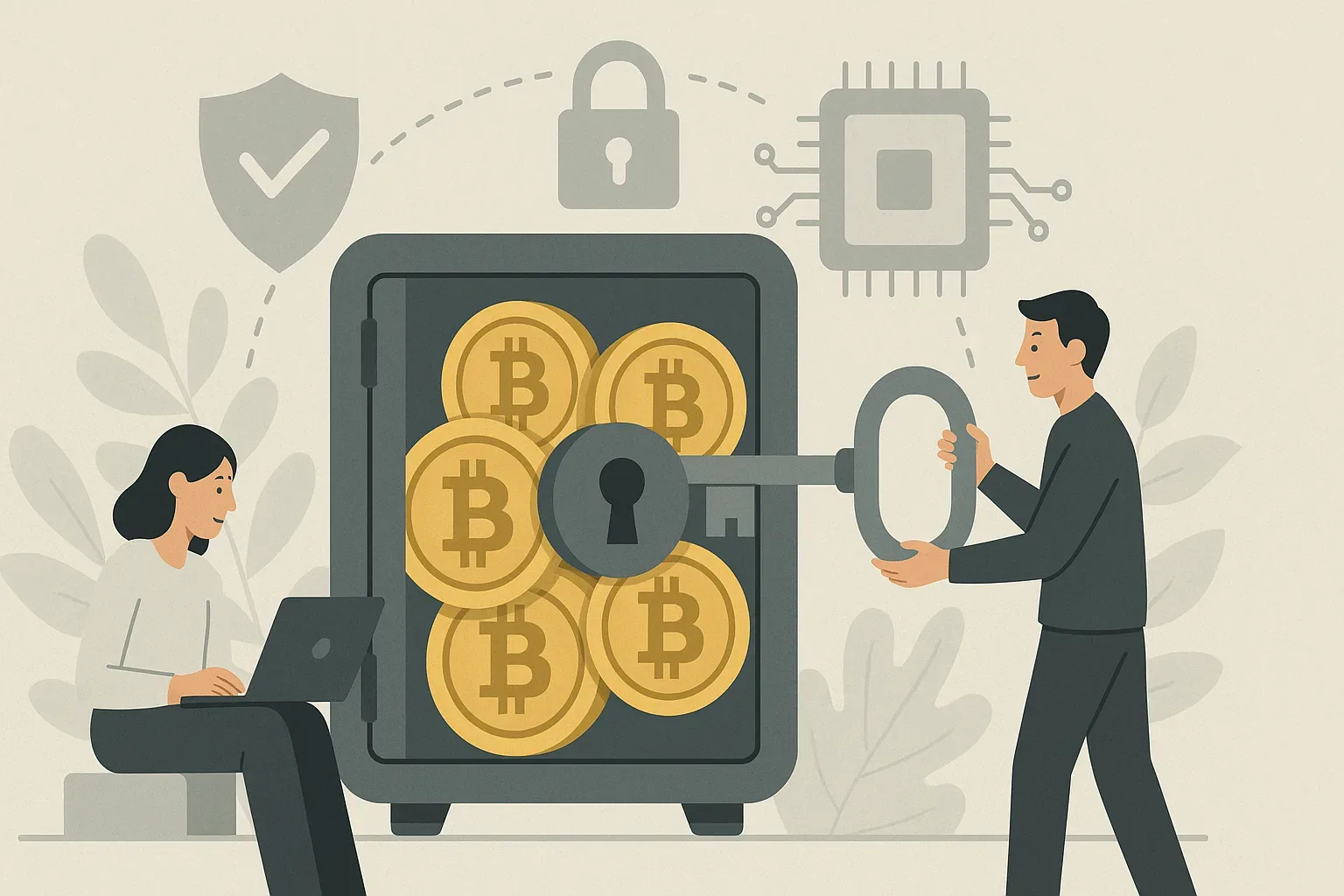
This phase involves deep collaboration between the project's technical team and the exchange's engineering team. The primary task is integrating the token's blockchain with the exchange's wallet infrastructure and trading engine. This includes setting up secure hot and cold storage solutions for the token, ensuring reliable deposit and withdrawal mechanisms, and configuring the order book to facilitate trading. The exchange will provide APIs for integration, and the project team must ensure their blockchain nodes and infrastructure can handle the expected transaction volume and provide stable connectivity. Projects need to ensure their token's smart contract adheres to recognized standards (e.g., ERC-20 for Ethereum-based tokens) and any specific requirements of the exchange.
Robust security measures on both ends are critical for protecting user assets and maintaining platform integrity. Projects must be prepared to address any identified vulnerabilities promptly. The exchange will also work with the project to define parameters for trading pairs, minimum and maximum trade sizes, and other platform-specific configurations.
Phase 5: Launch and Post-Listing Management
The moment of truth arrives with the official launch and listing of the token on the exchange. This typically begins with a coordinated announcement from both the project and the exchange, often accompanied by a trading competition or promotional campaign to generate initial interest and trading volume. Market making is a critical component of post-listing management, where designated entities or the project itself provide liquidity to the order book. This ensures stable trading prices and prevents large price swings due to thin order books. Projects must understand crypto exchange liquidity explained and how crypto exchange trading fees work to effectively manage their trading environment. Poor liquidity can deter traders and damage the token's reputation.
Community engagement remains vital. Active communication with holders, transparent updates on development progress, and addressing community concerns are essential for sustaining interest and trust. Projects should also continue their marketing efforts, showcasing new partnerships, product developments, and ecosystem growth. Exchanges expect projects to provide continuous technical support, addressing any issues related to deposits, withdrawals, or trading on their platform. Neglecting post-listing responsibilities can lead to decreased trading volume, delisting risks, and loss of investor confidence. A successful listing is not the end goal, but rather the beginning of a sustained effort to build and maintain a thriving ecosystem.
Common Challenges and How to Navigate Them
The exchange listing process is fraught with potential obstacles, and new token projects must be prepared to navigate them. One significant challenge is the high cost associated with Tier 1 exchange listings, which can range from hundreds of thousands to millions of dollars in listing fees, plus additional market-making and legal expenses. Projects should budget realistically and consider starting with Tier 2 or Tier 3 exchanges that offer a better cost-benefit ratio, gradually working their way up as their project matures and gains traction. Rejection is another common hurdle; exchanges frequently reject projects that do not meet their stringent criteria, lack sufficient community support, or have regulatory ambiguities. Learning from rejection, refining the project, and reapplying after addressing weaknesses is a viable strategy.
Market volatility can impact listing timing and sentiment. Projects might face delays or less favorable trading conditions if a listing coincides with a bear market. Regulatory hurdles are ever-present, with evolving rules across different jurisdictions. Technical issues during integration, such as smart contract vulnerabilities or blockchain instability, can cause significant delays. Thorough internal testing and external audits prior to exchange engagement can mitigate these risks. Projects must also contend with competition from other tokens vying for limited listing slots. Differentiation, a strong value proposition, and a committed team are key to standing out. By anticipating these challenges and preparing proactive solutions, projects can significantly improve their chances of a successful listing and long term sustainability.
Key Takeaways for a Successful Exchange Listing
Securing a listing on a reputable cryptocurrency exchange is a complex, multi-stage process that demands thorough preparation, strategic outreach, and unwavering commitment from a project team. The journey begins long before the application, with the essential groundwork of building a robust project: a clear vision, sound tokenomics, strong legal compliance, a transparent team, audited smart contracts, and a vibrant community. These foundational elements are non-negotiable and form the bedrock upon which all subsequent phases are built.
Choosing the right exchange, one that aligns with the project's goals, target audience, and resources, is a critical strategic decision. The application and due diligence phases require absolute transparency, responsiveness, and the provision of extensive documentation covering legal, technical, and business aspects. Technical integration necessitates close collaboration, adherence to security best practices, and meticulous testing to ensure seamless operation. Finally, a successful listing is not the finish line but the starting gun for ongoing responsibilities, including active market making, continuous community engagement, consistent technical support, and strict adherence to regulatory and exchange compliance requirements. Navigating common challenges like high costs, rejections, market volatility, and regulatory shifts demands adaptability and resilience.
What are the fundamental requirements a new token project must satisfy before even considering an exchange listing?
A new token project must satisfy several fundamental requirements before considering an exchange listing. First, a comprehensive and well-articulated whitepaper is essential, outlining the project's vision, technology, use case, and roadmap. Second, a robust and sustainable tokenomics model detailing the token's utility, distribution, vesting schedules, and economic incentives. Third, a reputable legal opinion confirming the token's regulatory status in relevant jurisdictions, ideally demonstrating it is not an unregistered security. Fourth, a strong and transparent core team with demonstrable experience and a clear track record. Fifth, a functional product, even in its early stages (e.g., a minimum viable product or beta version), demonstrating tangible progress. Sixth, thoroughly audited smart contracts from independent security firms, verifying their integrity and security. Seventh, an active and engaged community across various platforms, indicating genuine interest and adoption. Finally, a clear market opportunity and a unique value proposition that differentiates the project from competitors.
How does one identify and approach the most suitable cryptocurrency exchanges for a new token?
Identifying and approaching suitable cryptocurrency exchanges for a new token involves a strategic, multi-step process. First, projects should define their target audience, geographical reach, and desired liquidity levels. Research exchanges by examining their trading volume, user base, supported assets, regulatory compliance, and reputation for security and customer service. Categorize exchanges by tier (Tier 1 for maximum exposure, Tier 2/3 for more accessible entry) and assess which tiers align with the project's current stage and budget. Consider exchanges that have already listed similar projects or operate within the same niche. Once a shortlist is created, projects should visit the exchanges' official websites to locate their listing application portals or business development contact information. Prepare a concise yet compelling pitch deck that highlights the project's unique selling points, technology, team, market potential, and community engagement. Initial outreach should ideally be through the official channels, followed by attempts to establish direct contact with listing managers at industry events, through referrals, or via professional networking. The goal is to articulate the mutual benefits of a listing for both the exchange and the token project.
What specific information and documentation do exchanges typically request during the application and due diligence phases?
During the application and due diligence phases, exchanges typically request extensive information and documentation to thoroughly vet a new token project. Key documents include the project's whitepaper, detailed tokenomics model (supply, distribution, vesting schedules), and a comprehensive roadmap. Legal documentation is critical, encompassing legal opinions from reputable law firms regarding the token's classification and compliance, company registration documents, and agreements. Financial information, such as audited financial statements, funding details, and a clear treasury management plan, is also required. Exchanges scrutinize team information, requesting résumés, LinkedIn profiles, and often conducting background checks on core members. Technical documentation includes smart contract audit reports from third-party security firms, links to active code repositories (e.g., GitHub), and detailed explanations of the project's technology and architecture. Proof of product development, even in beta, and any existing user statistics or traction are also highly valued.
What technical preparations and integrations are necessary to successfully list a new token on an exchange?
Successfully listing a new token on an exchange necessitates meticulous technical preparations and integrations. First, the project's smart contract must be fully developed, thoroughly tested, and audited by independent security firms to identify and rectify any vulnerabilities. The token should adhere to established blockchain standards (e.g., ERC-20 for Ethereum, BEP-20 for Binance Smart Chain). Second, the project's blockchain or network infrastructure must be stable, scalable, and capable of handling anticipated transaction volumes, with reliable node operation. Third, extensive collaboration with the exchange's technical team is required to integrate the token's blockchain with the exchange's wallet system, which involves setting up secure hot and cold storage solutions for token deposits and withdrawals. This also includes integrating the token with the exchange's trading engine to facilitate order matching. Fourth, the project may need to provide API access and documentation to allow the exchange to monitor token balances and transactions. Finally, both teams will conduct rigorous pre-launch testing of deposits, withdrawals, and trading functionalities to ensure seamless operation and prevent any issues post-listing.
What ongoing responsibilities and strategies are crucial for maintaining a healthy token presence after listing?
Maintaining a healthy token presence after listing involves continuous responsibilities and strategic efforts. This involves maintaining a healthy order book on the exchange. Third, ongoing development and product innovation are vital to demonstrate progress and sustain long term interest. The project should continue to follow its roadmap, delivering features and partnerships as promised. Fourth, active marketing and public relations efforts are necessary to maintain visibility, attract new users, and highlight achievements. Fifth, providing consistent technical support to the exchange and users, especially concerning deposit/withdrawal issues, is essential for operational stability. Finally, continuous adherence to regulatory compliance in all relevant jurisdictions and fulfilling any ongoing reporting requirements from the exchange are non-negotiable for long term sustainability and avoiding delisting risks. Neglecting these areas can lead to decreased trading volume, loss of investor confidence, and potential delisting.
What are the most common pitfalls in the exchange listing process and how can they be avoided?
The exchange listing process is fraught with common pitfalls that new token projects must actively avoid. One major pitfall is insufficient preparation, particularly concerning incomplete documentation, poorly defined tokenomics, or unaudited smart contracts. This can be avoided by conducting thorough internal reviews and engaging third-party legal and technical experts early in the project's lifecycle. Another pitfall is unrealistic expectations regarding the ease or speed of listing, especially on top-tier exchanges. Projects can mitigate this by researching listing requirements thoroughly, budgeting ample time and resources, and being prepared for multiple rounds of due diligence. High listing fees are a significant hurdle; projects should budget realistically and consider starting with smaller, more accessible exchanges before aiming for Tier 1 platforms. Regulatory non-compliance, such as failing to secure proper legal opinions or operating in restricted jurisdictions, can lead to immediate rejection. This is avoidable by seeking expert legal counsel from the outset and maintaining awareness of evolving global crypto regulations. Technical vulnerabilities in smart contracts or an unstable blockchain can also derail a listing. Lastly, a lack of community engagement or transparency can signal a weak project. Building a strong, active community and maintaining open communication are vital for demonstrating project viability and trustworthiness.