Understanding the nuances of these platforms is essential for anyone looking to engage with the digital asset market, whether as a casual investor or an active trader. This guide offers a comprehensive overview, exploring the different types of platforms available, the key features that define their utility, critical security measures, the intricate fee structures, and the evolving regulatory environment that shapes their operation.
What Are Digital Currency Trading Platforms?
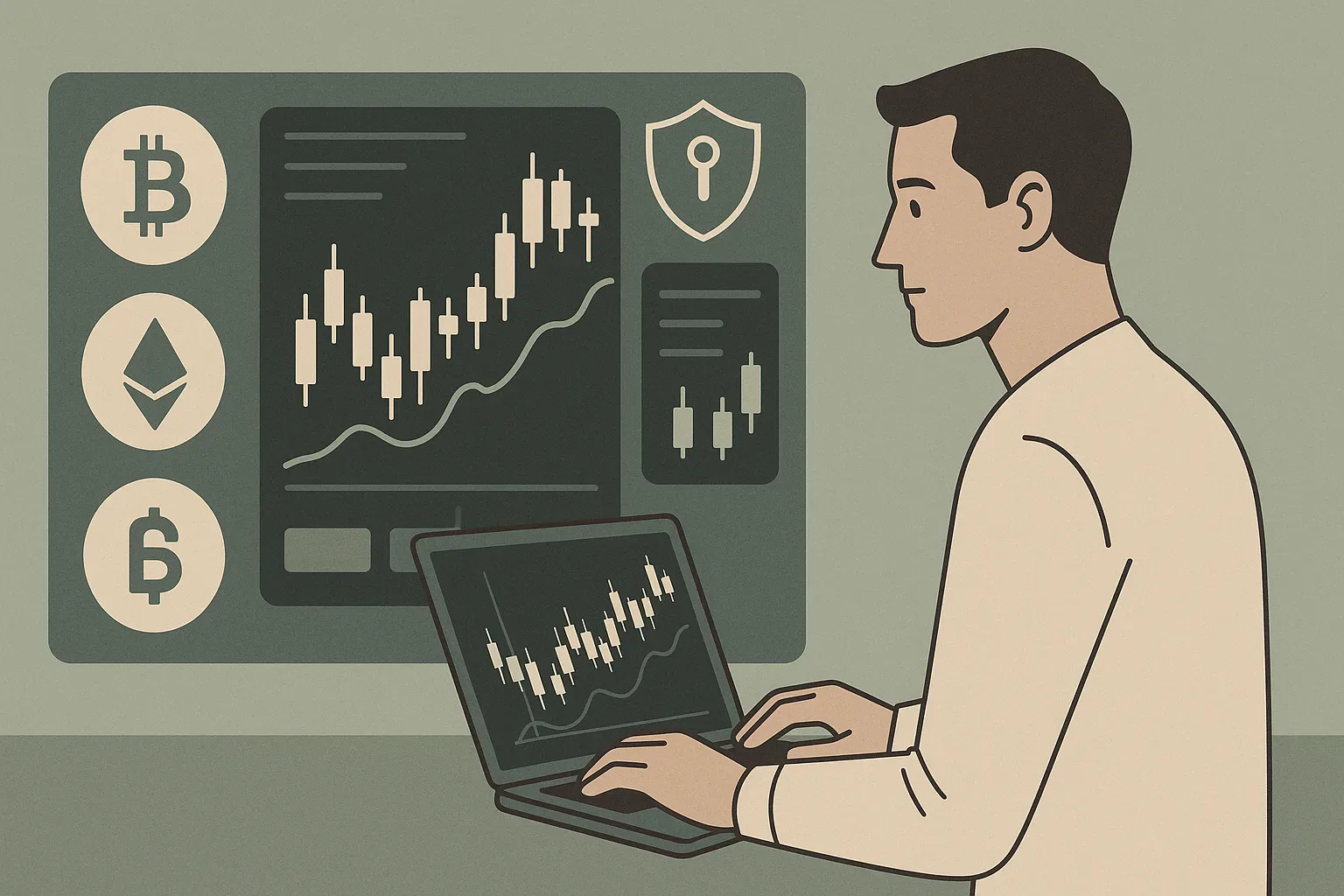
Digital currency trading platforms, often referred to as cryptocurrency exchanges, are online marketplaces where users can exchange one digital currency for another, or digital currency for traditional fiat currency (such as USD, EUR, or GBP). At their core, these platforms function much like traditional stock or forex exchanges, providing a venue for buyers and sellers to meet and execute trades based on current market prices. However, they are specifically tailored for the unique characteristics of digital assets, including their decentralized nature, volatile price movements, and global accessibility. These platforms provide various functionalities, including order books that display buy and sell orders, charting tools for technical analysis, wallet services for storing digital assets, and often features for direct fiat-to-crypto purchases. They act as intermediaries, connecting users and facilitating transactions, usually for a fee.
Types of Digital Currency Trading Platforms: CEX vs. DEX vs. P2P
Digital currency trading platforms broadly fall into three main categories, each with distinct operational models, advantages, and disadvantages.
Centralized Exchanges, or CEX, represent the most common and widely adopted type of trading platform. These platforms are operated by a central company or entity that acts as an intermediary for all trades. Users typically deposit their funds into wallets controlled by the exchange, which then manages the order books and executes trades. CEX platforms generally offer high liquidity, fast transaction speeds, and a user friendly experience, often resembling traditional financial trading interfaces. They usually require users to undergo Know Your Customer, or KYC, and Anti-Money Laundering, or AML, verification processes, which involves submitting personal identification. While convenient and often providing robust customer support, users on CEX platforms do not have direct control over their private keys, meaning they entrust their assets to the exchange. Popular examples include Binance, Coinbase, and Kraken.
Decentralized Exchanges, or DEX, operate without a central authority. Instead, trades are executed directly between users via self-executing smart contracts on a blockchain. This means users retain full control over their private keys and funds throughout the trading process, reducing the risk associated with centralized custodianship. DEX platforms are often favored by users prioritizing privacy and self-sovereignty, as they typically do not require KYC verification. Automated Market Makers, or AMM, like Uniswap and SushiSwap, are a prevalent form of DEX where liquidity pools and algorithms determine asset prices, rather than traditional order books.
Peer-to-Peer, or P2P, platforms facilitate direct trading between individual users without an intermediate third party holding funds. Instead, P2P platforms often use an escrow service to secure the assets until both parties confirm their part of the transaction. This model offers flexibility in payment methods, allowing users to trade using various local payment options not typically supported by centralized exchanges. P2P trading can provide greater privacy and often allows for negotiating prices directly between traders. P2P is often integrated as a feature within larger centralized exchanges or exists as standalone platforms like LocalBitcoins.
Each type caters to different user preferences regarding security, convenience, privacy, and the level of control over assets. Users must weigh these factors carefully when choosing a platform.
Key Features to Evaluate in a Digital Currency Trading Platform
The essential features you should prioritize when evaluating a digital currency trading platform include a robust user interface, extensive asset support, high liquidity, advanced trading tools, and reliable customer support.
Firstly, the User Interface and Experience, or UI/UX, is critical. The availability of a well designed mobile application is also a significant advantage for traders who wish to manage their portfolios on the go.
Secondly, consider the range of Supported Cryptocurrencies and Trading Pairs. A broader selection of assets and pairs provides more trading opportunities. If you are interested in niche altcoins, ensure the platform lists them. Similarly, check if the platform offers fiat-to-crypto pairs for direct purchases, or crypto-to-crypto pairs for diverse trading strategies. For those interested in traditional foreign exchange markets, our guide on FX Trading Platforms and our overview of Forex Trading Brokers can provide insights into how these markets differ in terms of asset classes and trading mechanisms.
Thirdly, Liquidity is a fundamental aspect. High liquidity ensures that your orders are filled quickly and at prices close to your desired entry or exit points, minimizing slippage. Check the trading volumes of your preferred pairs to gauge a platform"s liquidity.
These include sophisticated charting packages with various technical indicators, different order types such as limit, market, stop-loss, and take-profit orders, and potentially margin trading or derivatives options. While not strictly necessary for beginners, these tools provide greater control and strategic depth for active traders.
Finally, the quality of Customer Support is often overlooked until an issue arises. Look for platforms with extensive help centers, frequently asked questions sections, and active community forums.
By carefully evaluating these features, users can select a platform that not only meets their immediate trading requirements but also supports their long term growth and success in the digital currency market.
Security Measures and User Protection on Trading Platforms
Ensuring the security of your funds and personal data on a trading platform involves understanding and prioritizing various protective measures implemented by platforms, as well as best practices for users. How can I ensure the security of my funds and personal data on a trading platform?
Platforms implement several institutional-grade security protocols. A cornerstone of platform security is the use of Cold Storage for a significant portion of user funds. Cold storage refers to keeping cryptocurrencies offline, making them inaccessible to online hackers. Hot wallets, which are online, are used for daily operational liquidity, but the vast majority of assets are typically held in cold storage. Additionally, many centralized exchanges offer Insurance coverage for a portion of user funds against certain types of cyberattacks or internal breaches, though the specifics of coverage can vary widely. Regular Security Audits and Penetration Testing by independent third-party firms help identify and patch vulnerabilities before they can be exploited.
This includes secure socket layer, or SSL, encryption for website traffic and robust encryption for stored data. Platforms also implement various operational security measures, such as multi-signature wallets, whitelisting withdrawal addresses, and setting daily or weekly Withdrawal Limits to mitigate losses in the event of unauthorized access.
Users also play a critical role in their own security. Enabling Two-Factor Authentication, or 2FA, for login and withdrawals is non-negotiable. This adds an extra layer of security by requiring a second verification method, such as a code from a mobile app or a physical security key, in addition to your password. Using strong, unique passwords and regularly updating them is also essential. Beware of phishing scams by always verifying the authenticity of website URLs and communication channels. Lastly, understanding the platform"s terms of service regarding asset ownership and recovery procedures in case of account compromise or platform issues is a proactive step towards ensuring fund safety. While platforms strive for robust security, the ultimate responsibility for user asset protection is a shared one, requiring both platform diligence and user vigilance.
Understanding Fees, Spreads, and Pricing Models
Understanding the various fees and pricing models employed by digital currency trading platforms is essential for managing your trading costs and accurately calculating your profitability. The question, What are the typical fees and costs associated with using a digital currency trading platform?, highlights the importance of this knowledge. These costs are not always immediately obvious and can significantly impact your returns.
Firstly, Trading Fees are the most common type of cost. These are typically charged as a percentage of the trade volume and can vary based on your role in the transaction, often differentiated between "maker" and "taker" fees. Maker fees are applied when you place an order that adds liquidity to the order book (e.g., a limit order that isn"t immediately filled), while taker fees are applied when you place an order that removes liquidity (e.g., a market order or a limit order that immediately matches an existing order). Taker fees are generally higher than maker fees. Many platforms also implement tiered fee structures, where fees decrease as your 30-day trading volume increases. For a deeper dive into how these and other exchange fees function, our detailed guide on How Crypto Exchange Trading Fees Work provides comprehensive insights.
Beyond trading fees, the Spread is another significant cost, especially on platforms that offer "instant buy" or simplified trading options. The spread is the difference between the buying price and the selling price of an asset at any given moment. A wider spread means you pay more when buying and receive less when selling, effectively acting as an indirect fee. While some platforms advertise "zero trading fees," they often compensate for this by having wider spreads, which can sometimes be more costly than explicit trading fees.
Deposit and Withdrawal Fees are also common. While many platforms offer free deposits for cryptocurrencies, fiat deposits via bank transfer, credit card, or other payment gateways may incur charges. Withdrawal fees are almost universally applied, particularly for cryptocurrencies, to cover the network transaction costs, also known as gas fees on some blockchains.
Other potential costs include Conversion Fees when exchanging between different fiat currencies or certain niche cryptocurrencies, and sometimes inactivity fees if an account remains dormant for an extended period. Some platforms might also charge for premium services or advanced features. A clear understanding of these pricing models allows traders to make more cost effective decisions and select platforms that align with their trading frequency and asset types.
Navigating Regulatory Compliance and Geographic Restrictions
The regulatory landscape for digital currency trading platforms is highly complex, fragmented, and constantly evolving, presenting significant challenges for both operators and users. The answer to this question lies in recognizing the diverse approaches governments take towards digital assets.
Many jurisdictions have implemented stringent regulations, primarily focused on Know Your Customer, or KYC, and Anti-Money Laundering, or AML, protocols. These regulations require platforms to verify the identity of their users and monitor transactions for suspicious activity, aiming to prevent illicit finance and protect consumers. Platforms operating in these regions must obtain licenses, adhere to strict compliance frameworks, and often face regular audits. This level of oversight can enhance security and trust but may also limit the features offered, require extensive personal data from users, and increase operational costs for the platforms.
Conversely, some countries have taken a more restrictive stance, outright banning or heavily limiting cryptocurrency trading, leading to geographic restrictions on platform services. A platform might be fully operational and licensed in one country but prohibited from offering services to residents of another. These restrictions are often enforced through IP blocking, KYC requirements that deny service to unsupported regions, or even direct legal enforcement. This means that a platform chosen for its features might not be legally accessible or fully functional in a user"s specific location.
The regulatory environment also influences the types of services platforms can offer. For example, some jurisdictions allow spot trading but prohibit margin trading, derivatives, or staking services, deeming them too risky or requiring different licensing categories. The listing of certain tokens can also be subject to regulatory scrutiny, particularly stablecoins or security tokens.
For users, navigating this landscape requires diligence. It is imperative to choose platforms that are legally registered and compliant in your specific jurisdiction. Operating on unlicensed or unregulated platforms carries significant risks, including lack of consumer protection, potential for fraud, and legal repercussions. Users should research the regulatory status of a platform in their country of residence and understand how global regulatory shifts might affect their access to services. This constant flux in regulation means that what is permissible today might change tomorrow, necessitating continuous awareness from all market participants.
Choosing the Best Digital Currency Trading Platform for Your Needs
Selecting the ideal digital currency trading platform is a personal decision that hinges on a confluence of individual trading goals, experience level, risk tolerance, and specific feature requirements. What factors should guide my decision when choosing a platform suitable for my trading goals?
Beginners may prioritize user-friendliness, simple fiat-to-crypto purchasing options, and robust educational resources. For new entrants, platforms with intuitive interfaces, clear guidance, and strong customer support are often the best starting point. In contrast, experienced traders might seek platforms offering advanced charting tools, various order types, margin trading, derivatives, and a wide array of technical indicators. These traders value depth of features and high performance over simplistic design.
Secondly, consider the specific assets you wish to trade. If your interest lies predominantly in major cryptocurrencies like Bitcoin and Ethereum, most reputable platforms will suffice. However, if you aim to explore a diverse portfolio of altcoins or engage with newly launched tokens, you will need a platform that offers a broad selection of cryptocurrencies and trading pairs. For those considering a wider scope of asset trading, including traditional markets, our guides on FX Trading Platforms and Forex Trading Brokers can offer comparative insights into different financial instrument offerings.
Thirdly, your security priorities and risk appetite should guide your choice. If self-custody and maximum privacy are your top concerns, a decentralized exchange, or DEX, might be preferable, allowing you to maintain full control over your private keys. If you prioritize convenience, higher liquidity, and potential insurance coverage, a centralized exchange, or CEX, might be more suitable, provided it has a strong security track record and robust user protection measures. Always assess a platform"s cold storage practices, 2FA options, and overall security infrastructure.
Fourth, thoroughly evaluate the fee structure. As discussed, trading fees, spreads, and deposit/withdrawal costs can significantly impact your net returns. Compare these costs across different platforms, considering your expected trading volume and frequency. A platform that appears cheap for spot trading might have high withdrawal fees, or vice-versa. Understanding these nuances is key to optimizing your overall trading expenses.
Finally, regulatory compliance and geographic availability are critical. Ensure the platform is legally operational and licensed in your country of residence to avoid legal complications and ensure consumer protection. Verify its track record, user reviews, and responsiveness of customer support. By carefully weighing these factors against your personal preferences and trading objectives, you can make an informed decision and select a digital currency trading platform that best supports your journey in the crypto market.
Getting Started: From Account Creation to Your First Trade
This step by step guide outlines the typical pathway for new users.
First, begin by thoroughly researching platforms based on the criteria discussed in the previous sections. Consider factors like user interface, supported assets, fees, security, and regulatory compliance. Read reviews, compare features, and identify platforms that align with your specific needs and geographic location. It"s often advisable to start with well-established and reputable exchanges. Second, once you"ve chosen a platform, proceed with account registration. This typically involves providing your email address, creating a strong, unique password, and agreeing to the terms of service. Immediately enable Two-Factor Authentication, or 2FA, to enhance your account security. Most centralized platforms will then require you to complete Know Your Customer, or KYC, verification, which usually entails submitting government-issued identification, a selfie, and sometimes proof of address. This process is mandatory for compliance with anti-money laundering regulations and is necessary to unlock full trading and withdrawal functionalities. Third, after your account is verified, the next step is to deposit funds. Most platforms offer various deposit methods for fiat currency, including bank transfers (ACH, SEPA, SWIFT), debit or credit card payments, or third-party payment processors. Fiat deposits often have varying fees and processing times. Alternatively, if you already own cryptocurrencies, you can deposit them directly from an external wallet to your platform wallet address. Always double-check the wallet address and ensure you are sending the correct cryptocurrency over the correct network to avoid irreversible loss of funds. Fourth, with funds in your account, you are ready to trade. Navigate to the trading interface, which typically features an order book, price charts, and an order placement panel. Choose your desired trading pair (e.g., BTC/USD, ETH/USDT). You can then select an order type: a market order to buy or sell immediately at the best available current price, or a limit order to specify a price at which you wish to buy or sell. For beginners, market orders are simpler, but limit orders offer more control over your execution price. Input the amount you wish to trade and confirm the order. The platform will then execute your trade, and the purchased assets will appear in your account wallet.